CALLGOOSE
CALLGOOSE
BLOG
25 August 2024 | Tony Philip
4 Minute Read
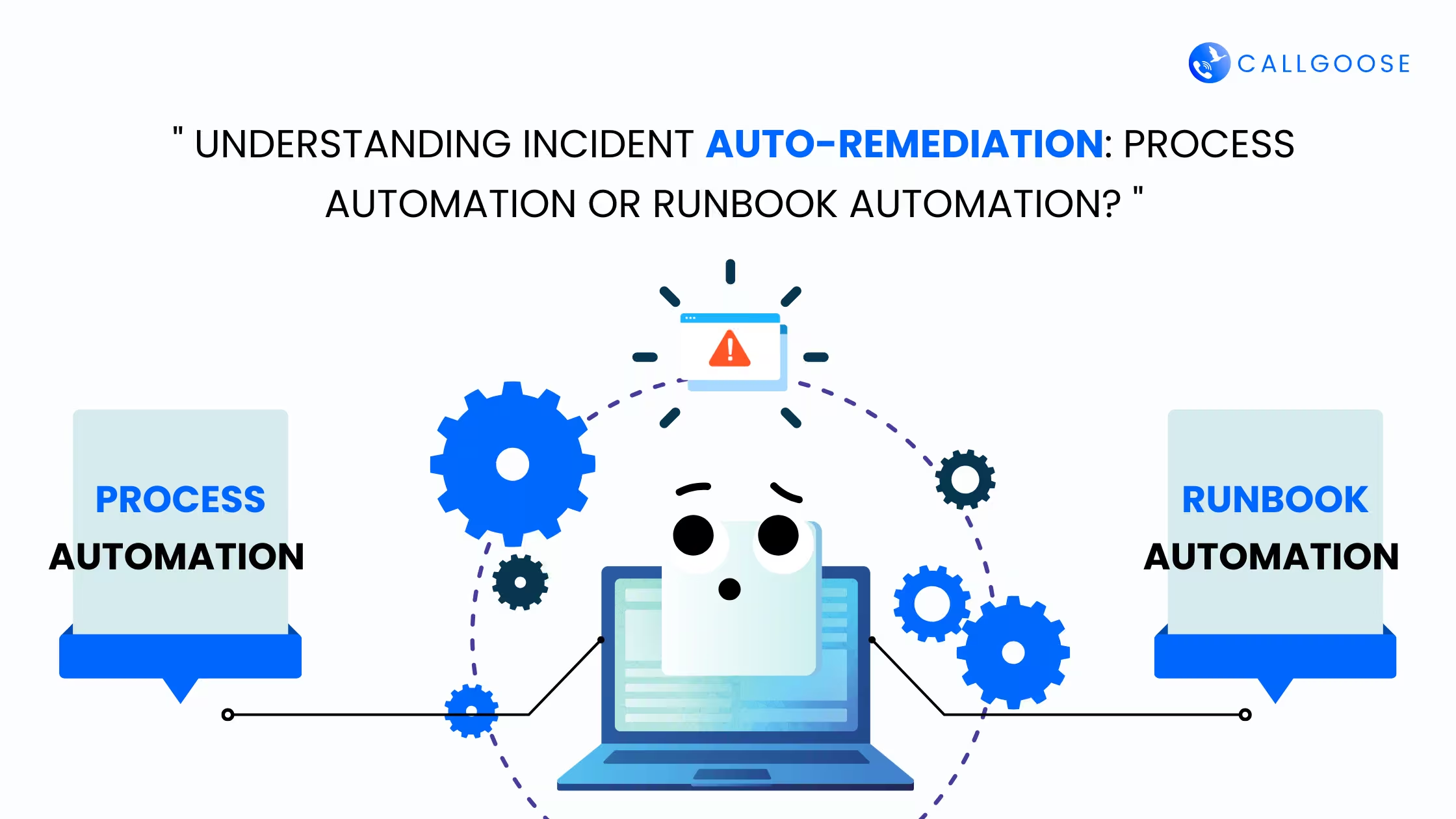
Incident auto-remediation comes under the Process automation or Runbook automation category?
Incident auto-remediation typically falls under the Runbook Automation category. Here's a detailed explanation of why:
Runbook Automation (RBA)
Runbook Automation (RBA) involves the automation of routine, repeatable procedures and tasks. These procedures are often documented in runbooks, which are comprehensive guides on how to resolve common incidents or perform routine operations.
Incident auto-remediation fits well within this scope because it involves automated responses to specific incidents or operational issues. When an incident occurs, predefined automated actions are triggered to resolve the issue without human intervention. These actions are based on established procedures that would otherwise be detailed in a runbook.
Key Characteristics of Incident Auto-Remediation within Runbook Automation:
Incident auto-remediation is categorized under Runbook Automation because it deals with predefined, routine IT operational tasks aimed at resolving incidents automatically. This type of automation enhances the efficiency of incident management by reducing the time to resolution and minimizing human intervention.
By using Callgoose SQIBS Automation Platform, you can set up robust Incident auto-remediation automation workflows to enhance efficiency, reliability, and responsiveness in your IT operations.
Refer Callgoose SQIBS Incident Management and Callgoose SQIBS Automation for more details
BLOG
5m Read
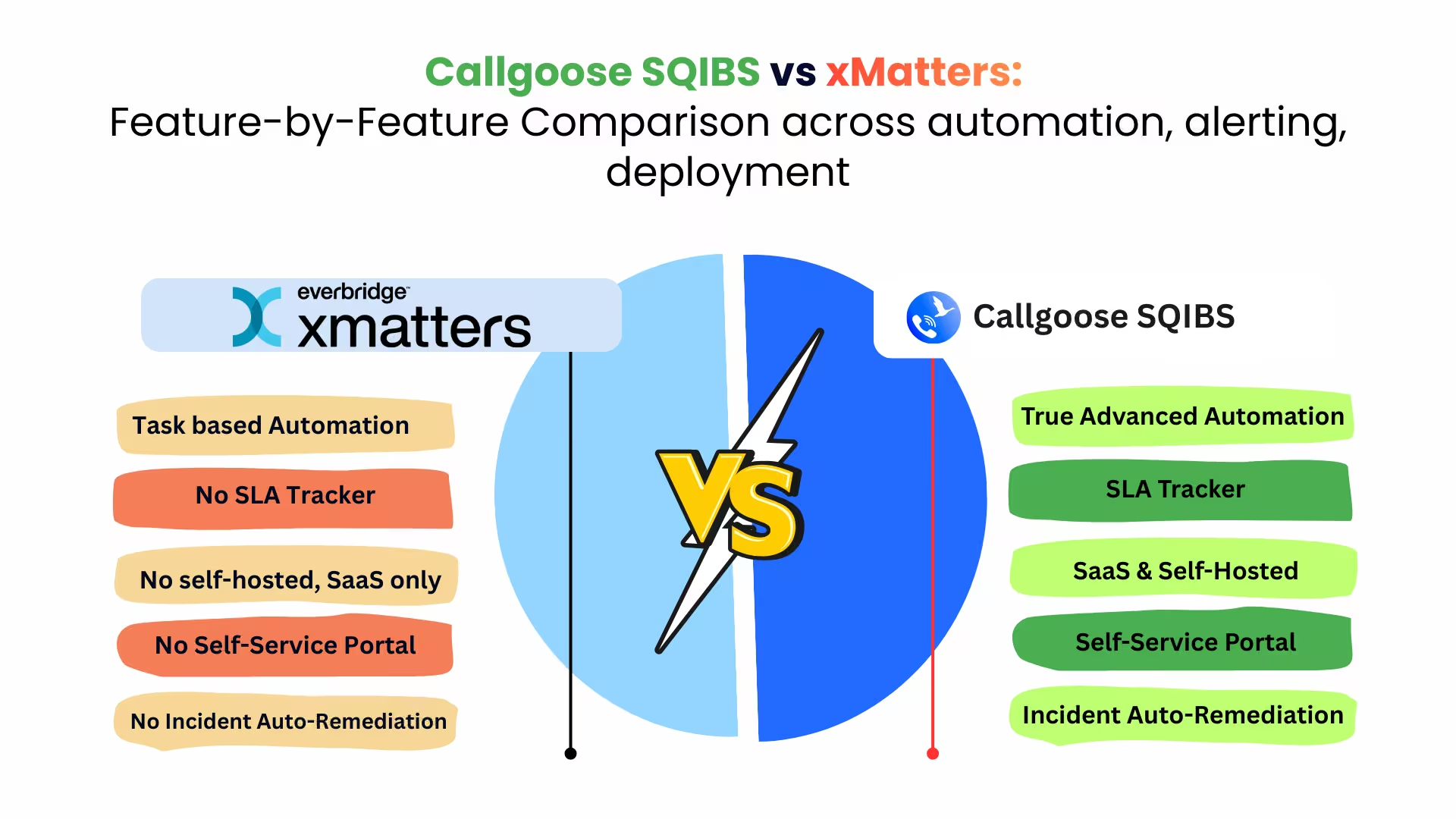
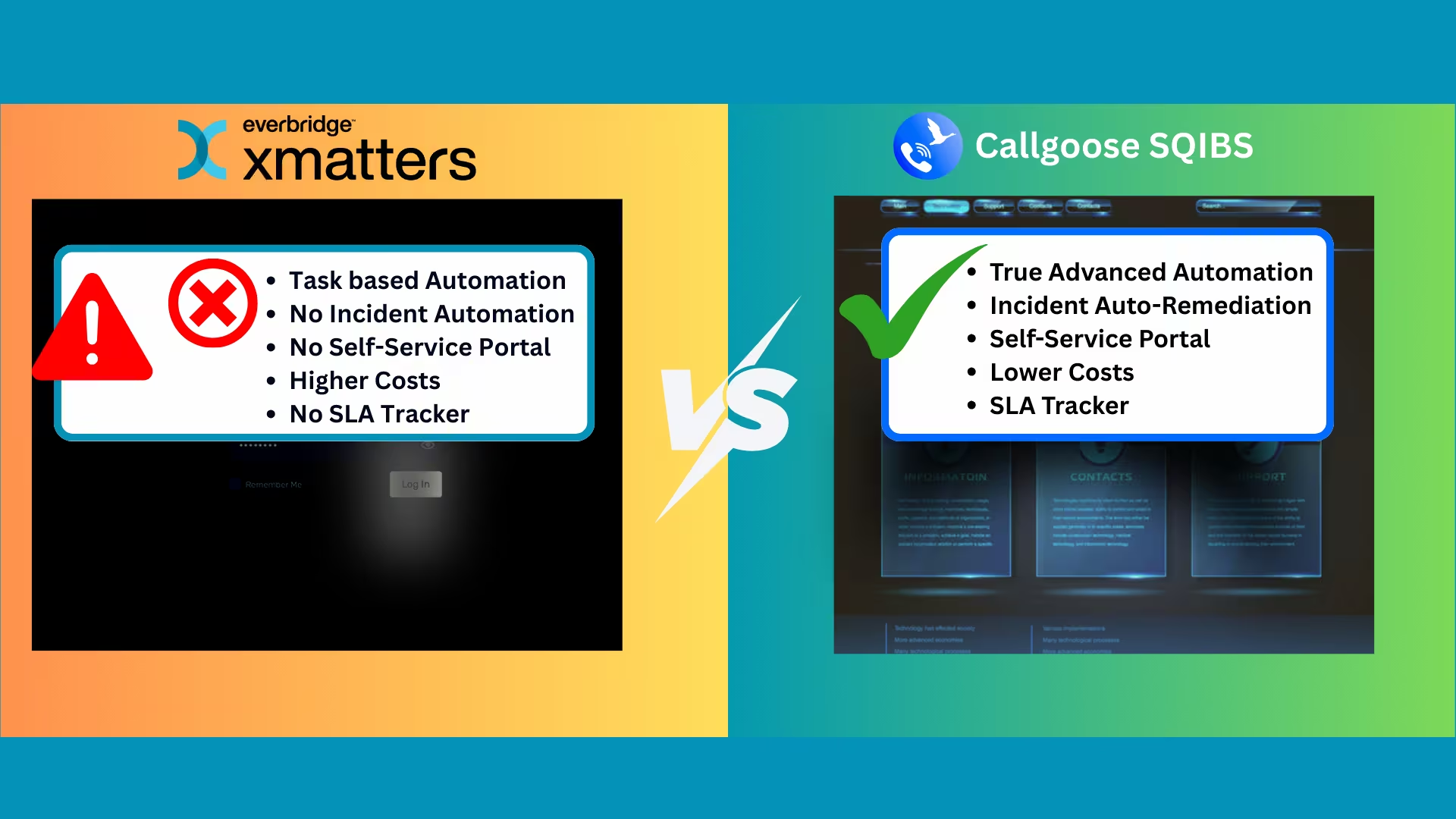
Looking for a xMatters alternative in 2026 - Compare Callgoose SQIBS vs xMatters on automation,SLA tracking, pricing and real-world incident response
09 March 2026
|
Sophia Mark
Introduction As incident response requirements grow more complex in 2026, many organizations are reassessing whether xMatters can meet modern expectations around automation, remediation, and cost effi...
BLOG
5m Read
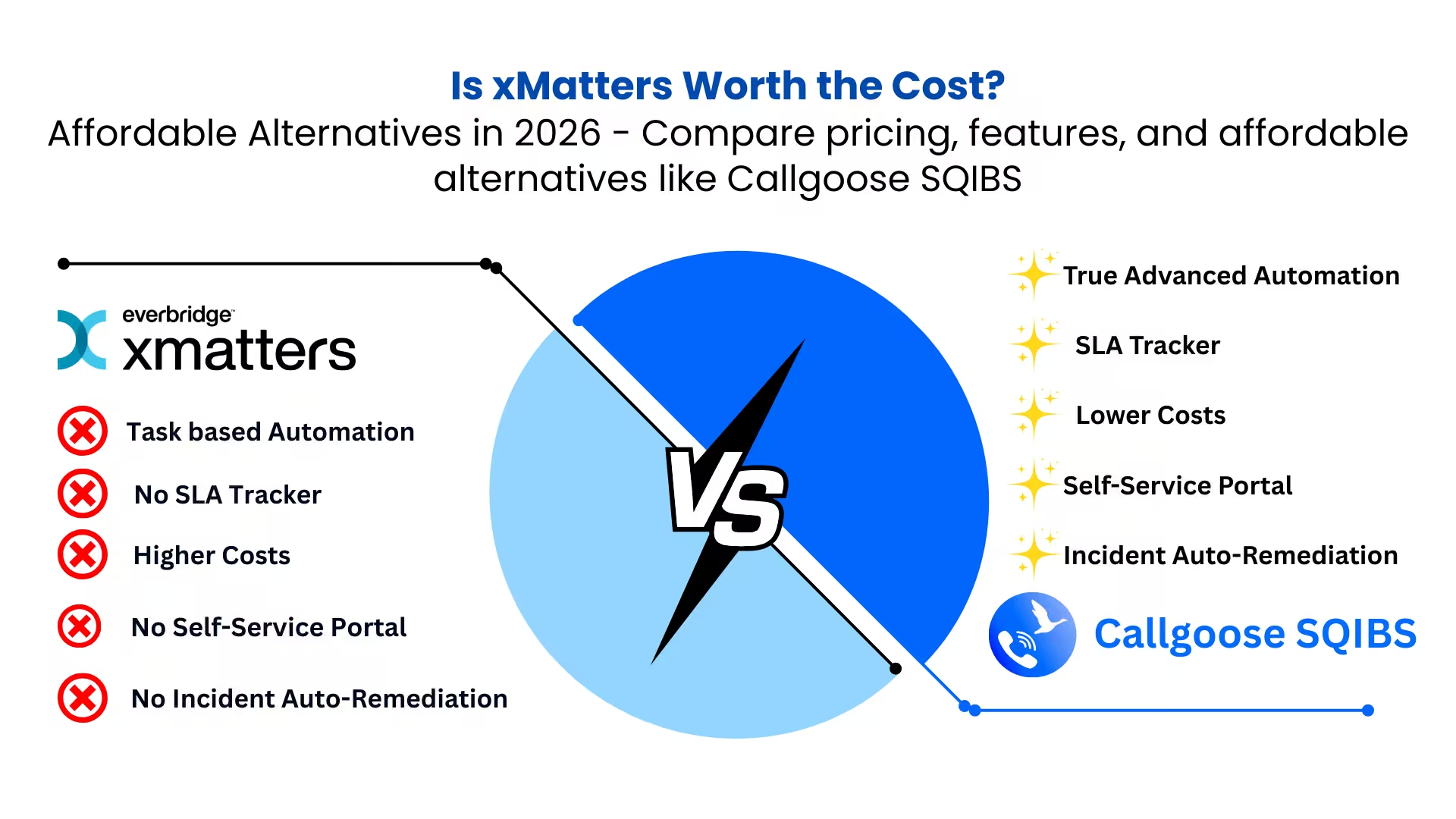
xMatters Alternatives in 2026: Why Teams Are Switching to Callgoose SQIBS
09 March 2026
|
Sophia Mark
Introduction As organizations move deeper into automation-first operations in 2026, incident response platforms are expected to do far more than notify on-call engineers. Modern teams require automate...
BLOG
5m Read

CALLGOOSE
SQIBS
Advanced Automation-first platform with effective On-Call scheduling, real-time Incident Management, Incident Response, and SLA tracking capabilities that keep your organization more resilient, reliable, and always on.
Callgoose SQIBS can integrate with any applications or tools you use, including monitoring, ticketing, ITSM, log management, error tracking, ChatOps, collaboration tools, or any custom applications.
In addition to alerting and response, Callgoose SQIBS enables Automated Incident Remediation, SLA tracking (MTTA, MTTR, uptime), and Incident Response Threshold monitoring, allowing teams to proactively detect risks, prevent SLA breaches, and execute remediation workflows in real time.
A built-in self-service portal empowers end users to handle routine requests independently, significantly reducing operational load on engineering and IT teams.
Callgoose provides enterprise-grade automation, SLA governance, and incident response capabilities at one of the most cost-effective price points in the market.
Unique Features